
Some fitness careers start with a certification course. Brian McGee’s started with a breakup.
In this episode of Start Before You’re Ready, I sat down with Brian, owner and head coach of Fit360 DC, a 24/7 functional training gym in Washington, DC, to talk about how heartbreak, family health, risk, and relentless learning shaped his path from bartender to respected gym owner and lifelong coach.
His journey isn’t a straight line. It winds through personal loss, corporate detours, ramen-noodle seasons, bold real estate decisions, and an unwavering commitment to helping people stay strong and capable for life.
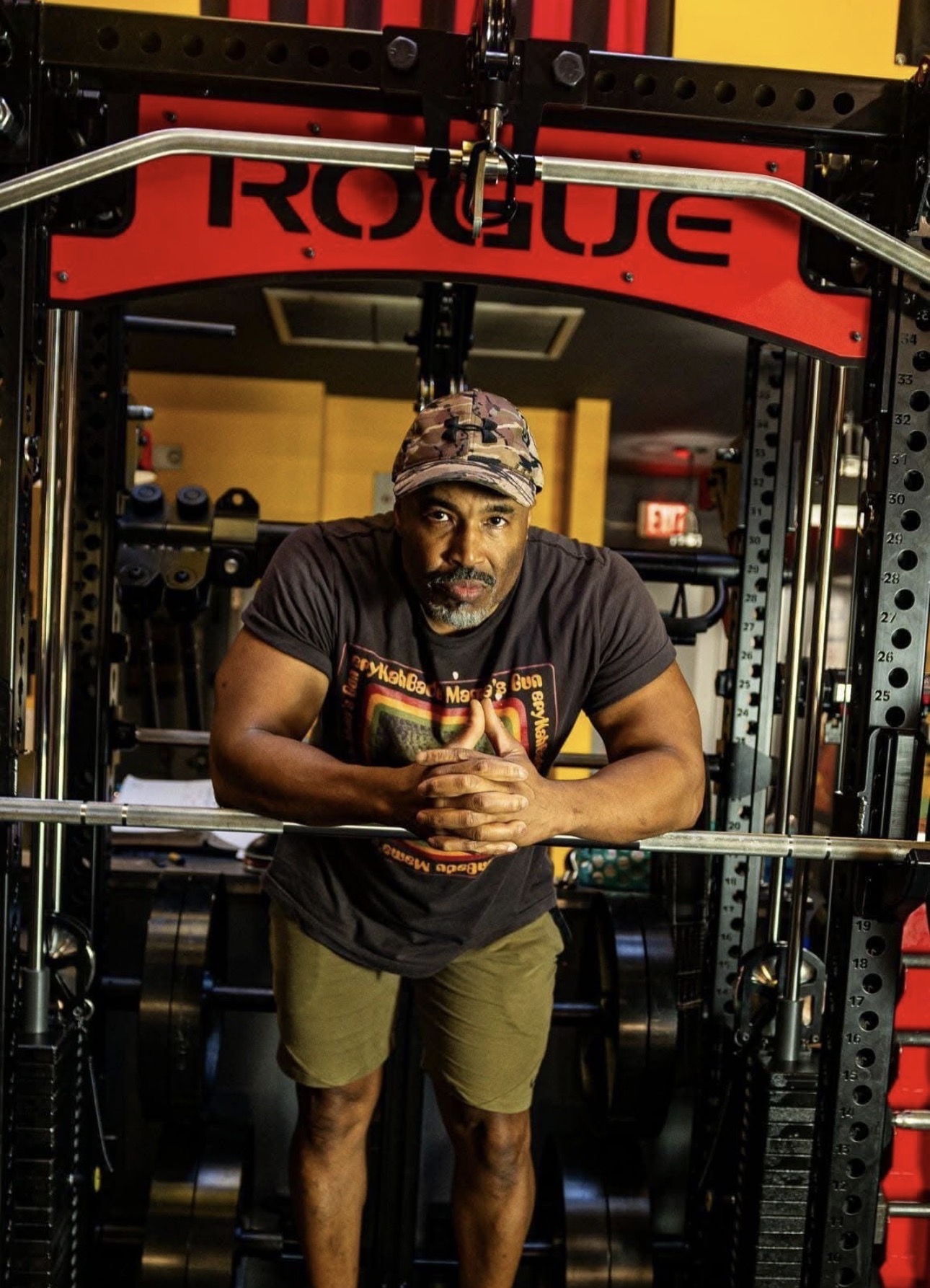
When Pain Becomes a Turning Point
In his late 20s, Brian went through a tough breakup that left him emotionally and physically drained. He lost a significant amount of weight in a short period of time—not because he was trying to, but because he was struggling.
At some point, he looked in the mirror and realized he had lost weight he had actually wanted to lose. That small moment — “Well, if I’m here anyway, what can I do with this?” — became a pivot.
He started working out. He stayed consistent. Like many young men who lift with purpose, he saw results quickly. Confidence followed.
Then came the external validation: his ex saw him again at the gym. That spark may have gotten him moving — but it wasn’t what kept him going.
The deeper “why” was still ahead.
Two Men, Two Paths: His Grandfather and His Father
Brian’s long-term motivation didn’t come from aesthetics. It came from watching two very different stories unfold in his family.
His grandfather was relentlessly active — tennis, gym sessions, biking on vacation, maintaining a sport-club membership for years. He stayed active into his early 90s before finally slowing down.
His father, also athletic and a strong basketball player, had a seizure on the court at age 46. The diagnosis: multiple sclerosis. Just like that, his basketball days — and much of his physical independence — were gone.
Seeing one man’s activity carry him into his 90s while another man’s health was abruptly taken shaped Brian’s mission:
Stay active as long as humanly possible — and help others do the same.
He knew he carried the same genetics. Movement wouldn’t be optional.
It would be his insurance policy.
From Bartender to Personal Trainer (With a Corporate Detour)
Before fitness became his career, Brian worked in the service industry, serving and bartending. A friend and colleague, Eric, was already training athletes and general population clients. The contrast intrigued him.
He tested the stable path first, leaving bartending for a khakis-and-tie role at Fannie Mae. The job was steady. Predictable. Uninspiring.
At the same time, he began training part-time at Washington Sports Club in Friendship Heights — just around the corner from the Cheesecake Factory where he bartended.
It didn’t take long for the meaning of coaching to outweigh the comfort of a corporate paycheck.
The leap to full-time training was scary. There were ramen-noodle seasons. But once he experienced the difference between collecting a paycheck and changing lives, the decision was made.
The Todd Durkin Effect — And Finding His Own Style
A major inflection point came when Brian invested in his growth and attended IDEA conventions on the East Coast.
There, he saw what was possible through Todd Durkin and his team — high energy, heart, and business savvy combined.
Brian admits it openly: Todd’s energy is electric. But it’s not who Brian is day-to-day.
That realization was powerful.
He didn’t need to be Todd. He needed to discover what leadership looked like as himself.
Through that network, he found Combine 360 at IMG Academy in Sarasota, Florida — co-led by Todd, Peter Twist, Brian Griffin, and others.
It felt like stepping into a training wonderland:
- Advanced athletic performance
- Cutting-edge programming
- A scalable business model
- A brand and community vision
He returned home with a new direction: move beyond one-on-one training into small-group sessions, classes, and eventually his own facility.
Building a Gym in a Big-Box Town
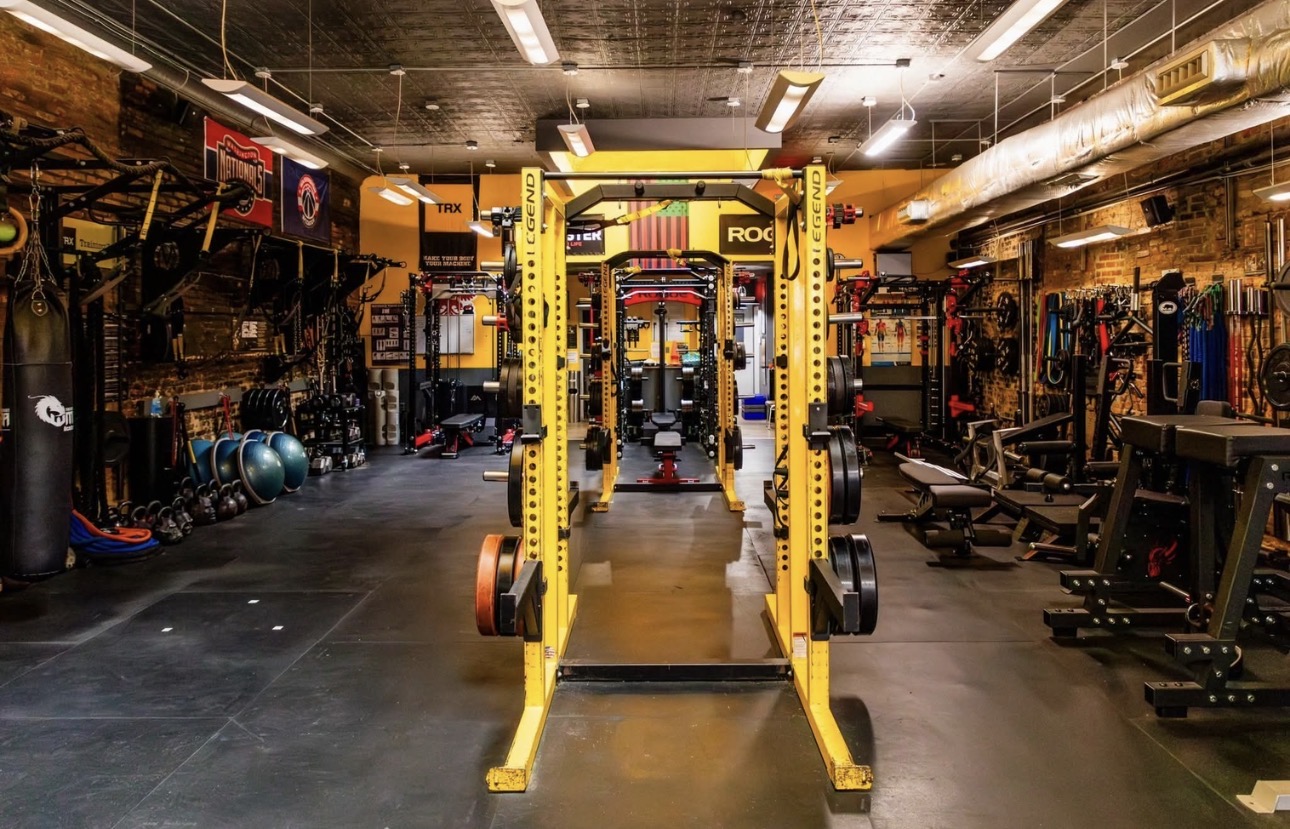
When Brian began laying the groundwork for Fit360, the DC fitness landscape was dominated by big-box players like Bally’s and Washington Sports Club. Boutique functional studios weren’t yet everywhere.
He started small:
- Renting a modest space
- Running groups of 5–7 people
- Leveraging early Facebook to share class clips
- Using local alt-weeklies to promote offerings
Eventually, he moved into a former Curves space. On paper, it seemed perfect.
In reality? A basement condo unit with concrete floors, thin carpet, and neighbors three floors up who were not thrilled about 6 a.m. kettlebell deadlifts.
When a resident knocked on the door in a bathrobe asking, “What are you doing down here?” he knew this wouldn’t be the forever home.
Seeing a Laundromat — And Visualizing a Gym
After two years of making it work, a realtor showed Brian several neighborhood properties. The last stop: a laundromat looking to break its lease.
Most people saw washers and dryers.
Brian saw brick walls, open space, and possibility.
He mentally removed the machines and pictured rigs, turf, and kettlebells.
That laundromat became the future home of Fit360 DC — a 2,500-square-foot functional training facility offering 24/7 access, group classes, and personal training.
It was still terrifying.
Now he had real overhead:
- Serious rent
- Utilities
- Payroll
- Household support
This wasn’t filling a room anymore. It was building a business.
Why You Can’t Do This Alone
One recurring theme from our conversation: no one builds something like this alone.
Brian’s wife, Chiara, came from corporate investment banking. She brought financial clarity, analytical thinking, and the ability to separate numbers from emotion.
That partnership is the quiet engine behind Fit360’s survival in an expensive, competitive market like DC.
Every month starts at zero:
- Pay coaches
- Pay utilities
- Pay rent
- Rebuild revenue
Then — hopefully — grow.
Remaining a Coach First
Even as an owner, Brian still coaches classes and trains clients one-on-one.
He identifies as a coach first — not just a gym owner.
His philosophy centers on:
- Movement quality
- Appropriate loading
- Longevity
- Staying upright as we age
He draws from multiple systems — CrossFit, Russian kettlebells, Pilates, yoga, performance conditioning — blending what works instead of subscribing to one training identity.
Every tool must serve the individual in front of him.
Learning Never Stops
Brian built his career attending in-person conferences, where one good idea could transform programming.
Post-COVID, the format shifted — but the learning didn’t stop.
Today, he leans on:
- Books and a well-used office library
- Influencers like Mike Boyle and Peter Twist
- Online education — filtered carefully to separate substance from social media fluff
Fit360 DC reflects that mindset.
It’s not rows of machines. It’s a coach-designed functional space where every piece of equipment earns its footprint by doing more than one job.
Today, Fit360 offers:
- 24/7 open-gym access
- Small-group HIIT and functional strength classes
- Personal training
- A coach-driven culture
Everything ties back to one mission: Help people stay strong, capable, and upright for as long as possible.
Why This Story Matters (If You’re a Coach or Owner)
Brian’s journey is a reminder that:
- Your origin story doesn’t have to be polished. It can start in heartbreak.
- Your “why” will evolve — from aesthetics to longevity, from self to service.
- You will likely always be an owner-operator in some capacity.
- Brick-and-mortar businesses require support.
- The best gyms are built by coaches who still coach.
Most of all, his story reinforces the core message: You truly have to start before you’re ready.
You won’t have every answer. You won’t feel fully prepared. The path will twist through tough months, imperfect spaces, and scary decisions.
But if you stay anchored in your why, keep learning, and surround yourself with the right people, you can build something that changes lives — your own, your clients’, and your community’s.